advanced tips for optimising your apple pressing process
As the 2026 apple harvesting season approaches, many enthusiasts and small-scale producers are looking to enhance their apple pressing techniques. Optimising your apple pressing process is essential not only for maximising juice yield but also for improving the flavour and quality of your final product. Here are some advanced tips to help you achieve better results in your apple pressing endeavours.
Choosing the Right Apple Varieties
The choice of apple varieties plays a crucial role in the quality of the juice produced. For a well-balanced flavour, consider blending different apple types. Varieties such as Bramleys offer tartness, while sweeter apples like Cox's Orange Pippin can add depth. Experimenting with different combinations can lead to unique and delightful flavours in your juice.
Optimal Harvesting Techniques
Timing is everything when it comes to harvesting apples. Aim to pick your apples when they are fully ripe but not overripe, as this can affect quality. Use gentle handling techniques to avoid bruising the fruit, which can lead to off-flavours in the juice. Additionally, harvest on dry days to ensure your apples are at their best and free from excess moisture.
People Also Look For:
- Hydropress Press Fruit and Wine Press for Cider Press Wine Making Apple Press Pear Press Honeycomb Press (40L)
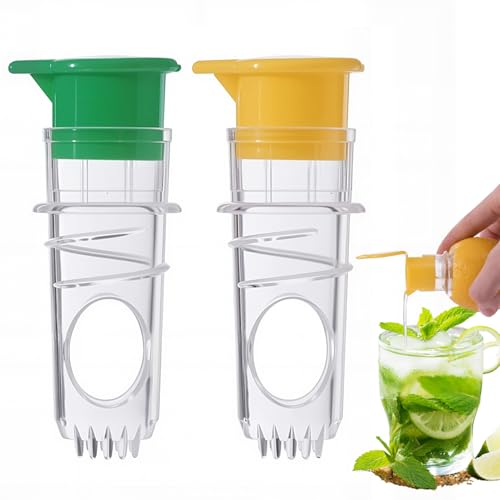
- Glass Jar Manual Hand Juicer Citrus Lime Orange Lemon Fruit Press Squeezer Strainer Maker Extractor Fresh Juice filter Healthy Kit...
- Fruit Press, Grape Press for Wine Cider Making, Vegetables Dehydration, Cheese Press (Aluminum, 3L)
- Hydropress Press Fruit and Wine Press for Cider Press Wine Making Apple Press Pear Press Honeycomb Press (20L)
- Fruit Press Cider Wine Making with T-Hand for Homemade Naturial Juice, Grape, Vinasse,Oil Pomace and Honeycomb, Apple Crusher Pres...
Preparing Your Equipment
Before starting the pressing process, ensure that all equipment is thoroughly cleaned and sanitised. This includes your apple crusher, press, and any containers you will use to collect the juice. Sanitising ensures that no unwanted bacteria affect the flavour of your juice. Consider investing in a commercial-grade apple press for better efficiency and yield, as these are often designed for higher extraction rates compared to home models.
Maximising Juice Extraction
To optimise juice extraction, consider chopping your apples into smaller pieces before pressing. This increases the surface area and allows for more juice to be released. Additionally, using a coarse mesh bag to contain the apple pulp during pressing can help maintain the structure while allowing maximum juice flow. Experiment with pressing at different pressures to find the balance that yields the highest quality juice without over-extracting which can lead to bitterness.
Temperature Control
The temperature at which you press apples can significantly impact the quality of the juice. Aim to press your apples at cooler temperatures to preserve the delicate flavours and aromas. If possible, store your apples in a cool place prior to pressing. Some producers even chill their equipment to ensure a lower pressing temperature. This is particularly important for varieties known for their aromatic qualities.
Fermentation Considerations
If you are planning to ferment your apple juice into cider, consider the role of yeast selection and fermentation temperature. Choose a high-quality yeast strain that complements your apple varieties. Keep fermentation temperatures consistent, as drastic fluctuations can lead to off-flavours. Aim for a range of 18 to 22 degrees Celsius for optimal fermentation results.
Quality Control and Tasting
Storing Your Juice Correctly
Once the juice is extracted, proper storage is essential to maintain freshness and flavour. Use sterilised containers and keep the juice refrigerated if it is not going to be consumed immediately. For longer storage, consider pasteurisation techniques or using a vacuum sealer to extend shelf life while preserving flavour integrity. Always label your containers with the pressing date for easy tracking.